
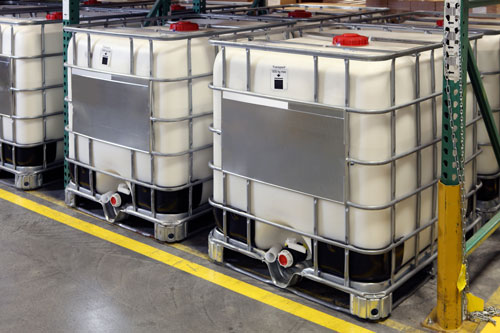
Factories, laboratories, engineering facilities and processing plants often use chemicals as part of their normal production and cleaning procedures. Degreasers, solvents, oils, detergents and other substances may come into contact with the floor, creating demanding conditions for any marking system installed within the area.
Ordinary floor tape may become stained, softened or damaged when repeatedly exposed to aggressive substances. The adhesive can also be affected if liquid penetrates beneath the edges. In these environments, businesses need a durable chemical resistant tape that has been selected according to the chemicals, exposure conditions and traffic levels present at the site.
PermaStripe is a heavy-duty PVC line marking tape designed for industrial aisles, walkways, storage bays and other areas exposed to regular pedestrian and wheeled traffic. Its solid, homogeneous construction means that the colour runs through the material rather than being printed only onto the upper surface. PermaStripe states that its colour cannot be removed by harsh solvents such as MEK and toluene, although the complete installation should still be assessed against the actual chemical exposure expected at the facility.
Why Is Chemical Resistant Tape Important?
Floor markings provide visual structure within a workplace. They can define pedestrian walkways, vehicle routes, storage areas, machinery zones, inspection points and spaces that must remain clear.
Where chemicals are routinely used, the selected line marking tape must do more than remain visible under normal foot traffic. It may also need to tolerate contact with cleaning solutions, lubricants, fuels, solvents or process chemicals.
Chemical exposure can affect different parts of a tape in different ways. A substance may stain the backing, soften the adhesive, cause swelling or reduce the bond between the tape and the floor. Resistance therefore depends on the complete tape construction rather than simply its colour or thickness.
Specialist tapes use different combinations of backing and adhesive to achieve the required performance. For example, 3M describes solvent-resistant tapes made with polyester or polyethylene-based backings and acrylic or rubber adhesives. These examples demonstrate that the suitability of a tape depends on both its backing and adhesive system.
What Chemicals Are on Tape?
Adhesive tape does not contain one standard set of chemicals. The materials vary according to the purpose of the product.
A conventional single-sided tape may contain:
- A backing material, such as PVC, polyester, polyethylene, paper or fabric
- A pressure-sensitive adhesive
- A primer that helps anchor the adhesive to the backing
- A release coating that allows the roll to unwind
- A removable release liner, where applicable
Pressure-sensitive adhesives may be based on acrylic, rubber or silicone chemistry. Additional ingredients can be incorporated to control characteristics such as tack, flexibility, ageing resistance and temperature performance. Tesa explains that tape performance is determined by the combination of adhesive, backing, primer, release coating and liner used in its construction.
PermaStripe uses a durable PVC construction with a pressure-sensitive adhesive applied across the base. Its public product information does not specify the complete chemical formulation of the adhesive. Where a business requires detailed information for COSHH assessments, regulated production areas or chemical compatibility reviews, it should request the current technical documentation directly from the manufacturer.
What Does Chemical Resistant Mean?
The term chemical resistant tape does not mean that the material is unaffected by every chemical under every condition.
Chemical performance can vary according to:
- The chemical involved
- Its concentration
- Exposure temperature
- Length of contact
- Frequency of exposure
- Whether the substance is wiped away or allowed to remain
- The condition of the floor
- The amount of traffic passing over the tape
- Whether the liquid reaches the adhesive edges
A tape might tolerate occasional splashes but perform differently if it is continuously immersed. Similarly, brief contact with a diluted cleaning product is not equivalent to repeated exposure to a concentrated solvent.
This is why chemical compatibility should be assessed against the specific workplace conditions rather than relying only on a general resistance claim. Product trials are particularly important where concentrated acids, alkalis, fuels or aggressive solvents are used.
Where Is Chemical Resistant Line Marking Tape Used?
Chemical-resistant floor markings may be required in a wide range of industrial and commercial environments.
Manufacturing Plants
Factories may use oils, coolants, degreasers and cleaning agents around machinery and production equipment. Durable floor tape can define work cells, pedestrian routes, material storage points and keep-clear zones.
Chemical Processing Facilities
Facilities that formulate, package or distribute chemicals may require clear visual boundaries around processing, storage and handling areas. The selected marking system should be assessed against the substances used within each zone.
Automotive and Engineering Workshops
Workshops may expose floor markings to lubricants, fuels, brake fluids and cleaning products. A robust industrial floor marking tape can help identify vehicle routes, work bays, inspection areas and tool-storage locations.
Food and Beverage Production
Food-processing facilities frequently use intensive cleaning programmes. Floor markings may encounter detergents, sanitisers, water and repeated mechanical cleaning. The product must be suitable for the hygiene regime as well as the floor and traffic conditions.
Laboratories and Controlled Areas
Laboratories may use solvents, reagents and disinfectants. Floor markings can identify controlled zones, equipment positions and restricted areas, but the selected material should be reviewed for compatibility with the chemicals handled on site.
Why PermaStripe Can Suit Demanding Industrial Areas
PermaStripe is manufactured from thick, homogeneous PVC with an embossed surface and bevelled edges. The solid-colour construction helps maintain visibility because the colour is present throughout the material rather than existing only as a thin printed layer.
Its bevelled edges reduce the exposed shoulder presented to passing pedestrian and wheeled traffic. The material is applied using a permanent pressure-sensitive adhesive covering the base from edge to edge. PermaStripe is intended for clean, dry surfaces and can be used immediately following installation because it does not require the drying or curing period associated with paint or resin.
These characteristics make it a practical option for:
- Factory aisles
- Pedestrian walkways
- Storage bays
- Production cells
- Loading areas
- Equipment zones
- Inspection areas
- 5S workplace layouts
However, mechanical durability and chemical resistance are separate considerations. A tape that withstands regular foot or forklift traffic should still be tested where it will encounter unusual or aggressive chemicals.
How to Install Chemical Resistant Floor Tape
Correct installation is essential because chemical resistance can be compromised if liquids reach beneath poorly bonded edges.
The floor should first be cleaned thoroughly to remove oil, grease, dust, loose coatings and chemical residue. It must then be allowed to dry completely. Applying tape over contamination can prevent the adhesive from forming adequate contact with the surface.
The layout should be measured before the release liner is removed. Apply the tape gradually without stretching it, then use firm and consistent pressure across its full width. PermaStripe can also be installed using a dedicated applicator for longer, straighter lines across large industrial areas.
After installation, inspect the edges and joins carefully. Any gaps that allow chemicals or cleaning fluids to reach beneath the material may reduce long-term adhesion.
Test Before Completing a Large Installation
Before installing a full floor-marking system, apply a sample within the intended environment. The trial area should experience the same chemicals, cleaning processes and traffic as the proposed installation.
Assess:
- Surface staining
- Swelling or softening
- Changes in colour
- Edge lifting
- Adhesive movement
- Ease of cleaning
- Performance under wheeled traffic
Where several chemicals are used, test the tape against each significant substance. Chemical compatibility should be reviewed using the actual concentration and contact time expected during normal operations.
Selecting the Right Chemical Resistant Tape
The correct marking system depends on the floor, chemical environment and operational demands of the workplace. PermaStripe provides a durable option for industrial floor marking and offers resistance to demanding conditions, but no tape should be assumed to resist every substance without testing.
Businesses should provide the tape supplier with details of the floor material, chemical names, concentrations, exposure frequency, cleaning method and traffic levels. This information allows a more informed recommendation and reduces the risk of installing an unsuitable product.
For workplaces exposed to solvents, oils or intensive cleaning agents, testing chemical resistant tape before completing the full layout is the most reliable way to confirm suitability.